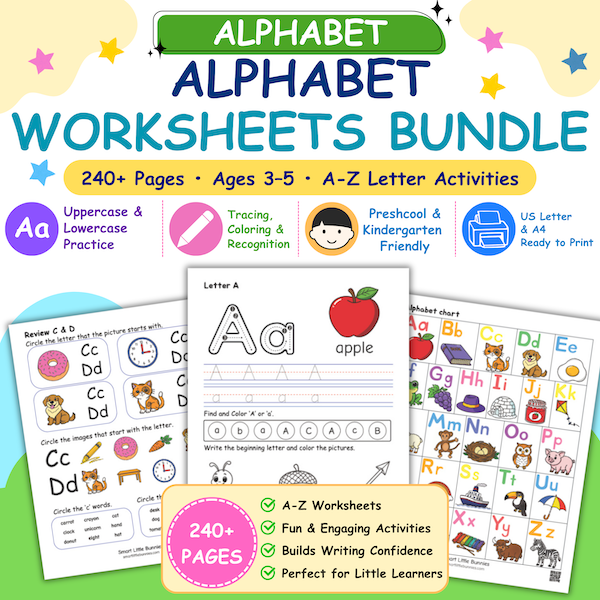
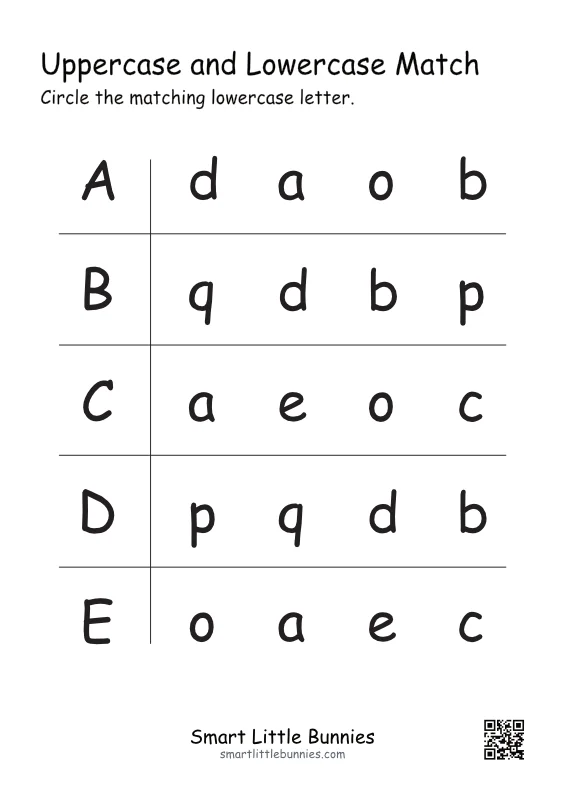
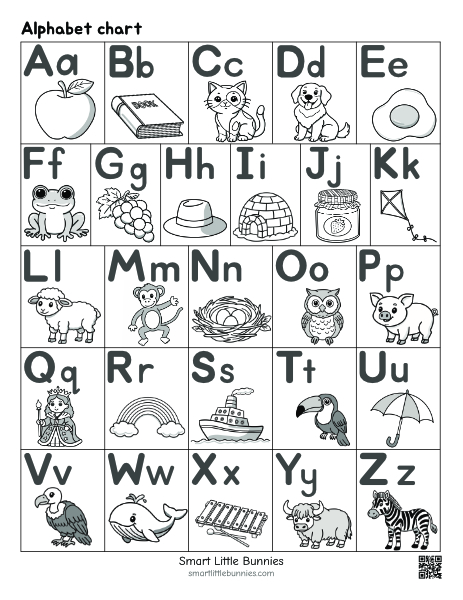
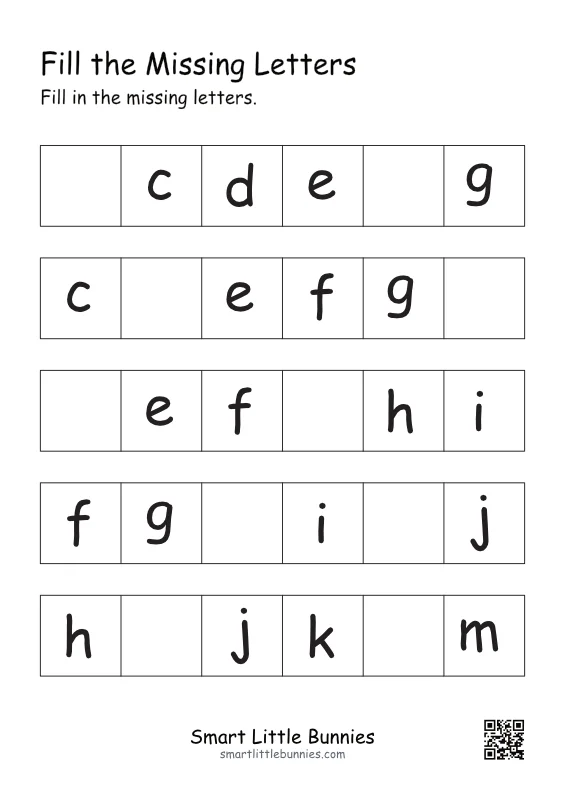
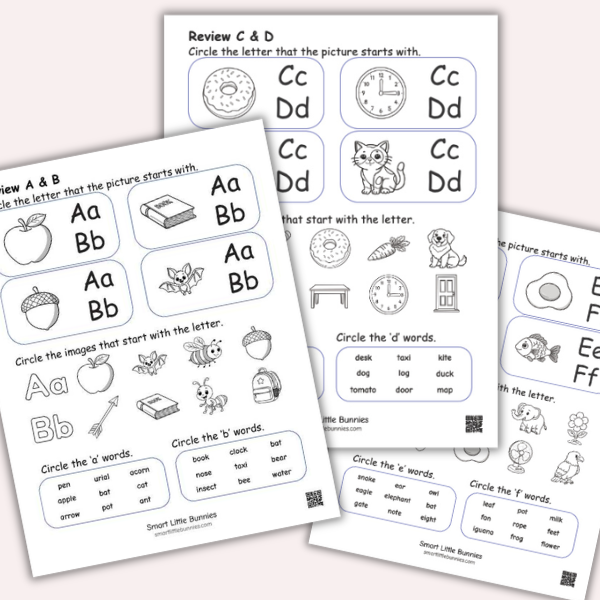
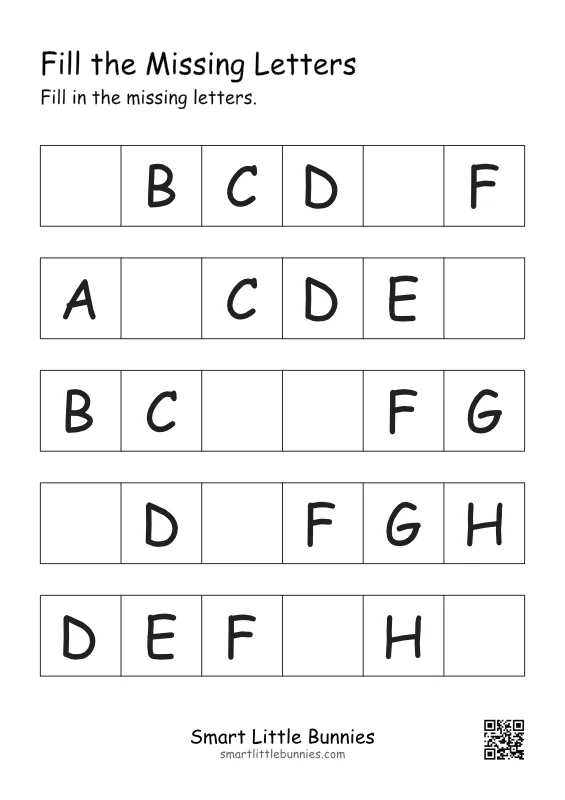
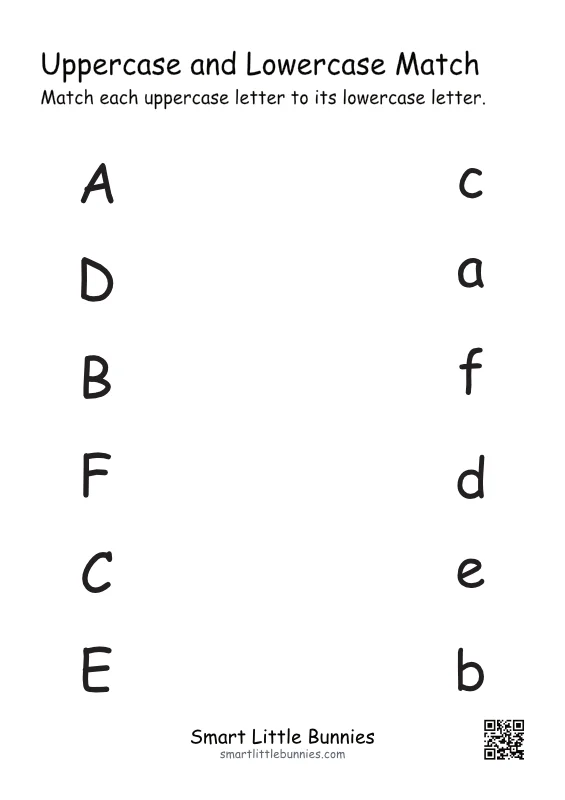
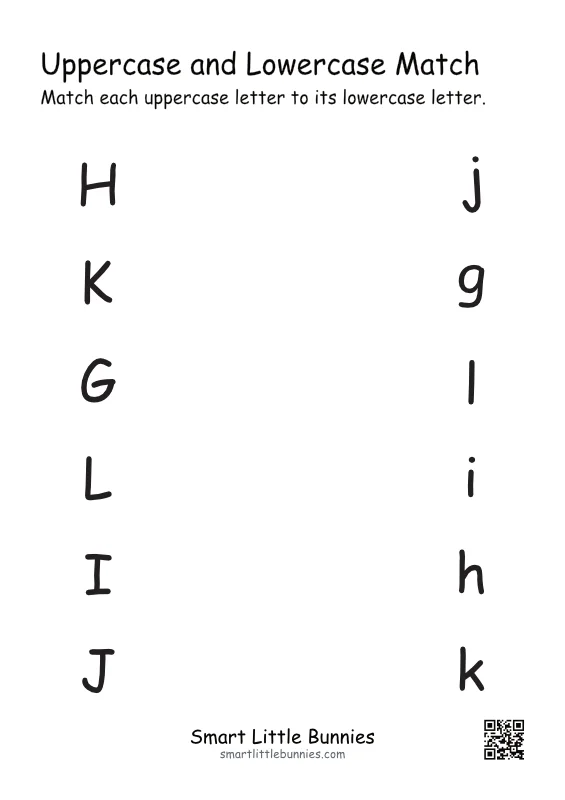
Before a child can read, they need to recognize that "A" and "a" are the same letter in two different forms. This worksheet series gives kids hands-on practice making that connection: each page shows six uppercase letters and six lowercase letters in mixed, non-alphabetical order, and the child draws a line connecting each pair.
The letters are deliberately shuffled rather than listed in order. A child can't just match position 1 to position 1 — they have to actually look at each letter shape and find its partner, which is what builds real recognition instead of memorized sequence.
How to Use These Worksheets
- Say each letter name aloud together before your child starts matching. Naming the letter while looking at its shape reinforces both at once.
- Let your child draw the connecting lines slowly. Rushing tends to produce guesses rather than genuine matches.
- Review the completed page together afterward and talk through any letter pairs that look similar (like Cc, Oo, or Ss) versus pairs that look quite different (like Aa, Gg, or Rr).
- Pencils or crayons both work fine — this is a no-pressure, ink-only activity with nothing to trace or write from scratch.
- Work through the sets in order the first time, then revisit any individual set for extra practice on letters that still feel shaky.
Skills This Series Supports
- Letter recognition across both letter cases
- Visual discrimination (telling similar-looking letters apart)
- Alphabet knowledge
- Attention and focus
- Fine motor coordination from controlled line drawing
Download the Worksheets
Six sets are included, each with a different mix of letters so your child gets repeated practice without seeing the same pairing twice.
Set 1
Downloads
Set 2
Downloads
Set 3
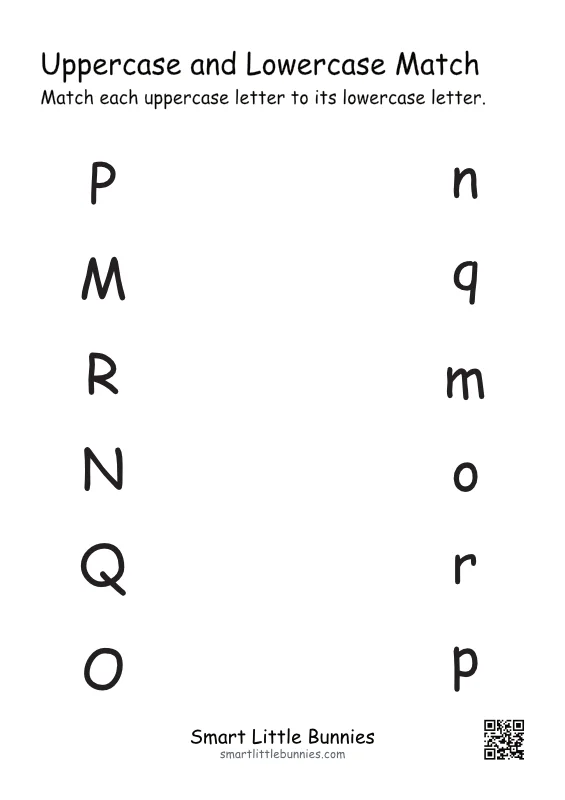
Downloads
Set 4
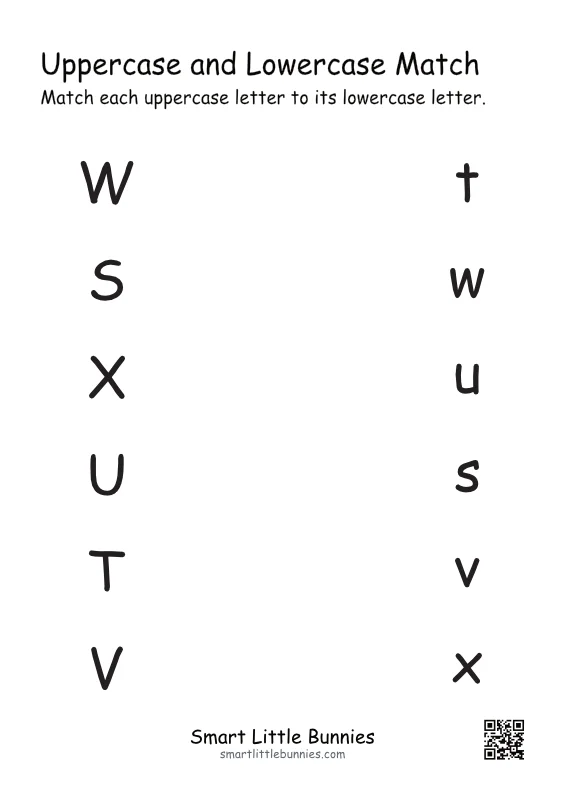
Downloads
Set 5
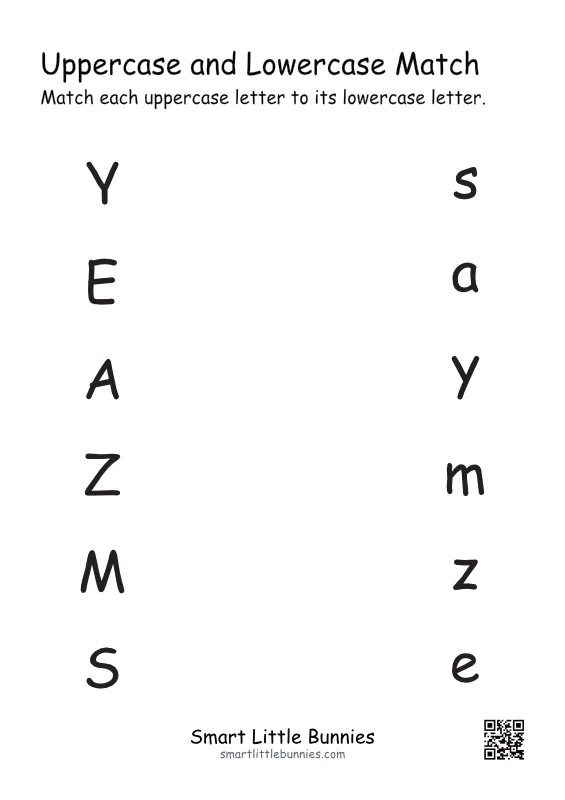
Downloads
Set 6
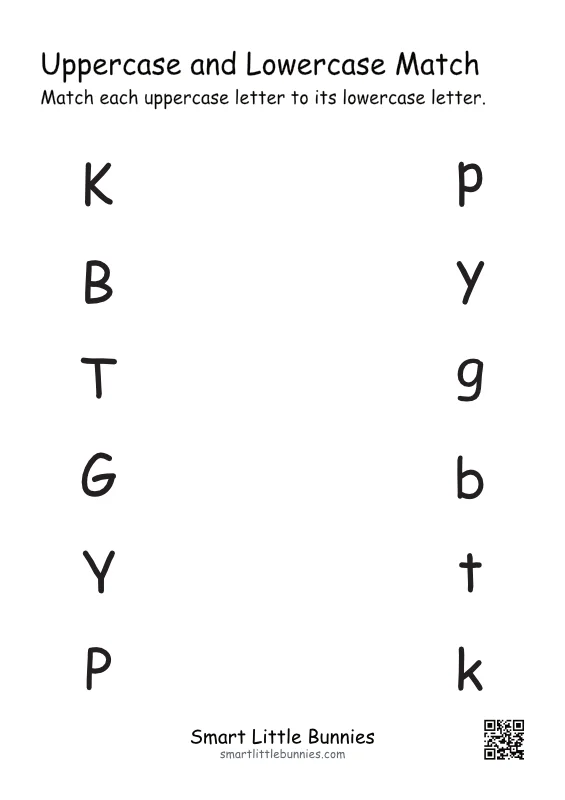
Downloads
Who This Series Is For
Preschool and early kindergarten children, roughly ages 3 to 6, who are learning to recognize letters or are ready to connect uppercase and lowercase forms. Works well for classroom centers, homeschool practice, or quiet independent learning at home.