The letter E is one of the first vowels children learn and it shows up everywhere in early reading.
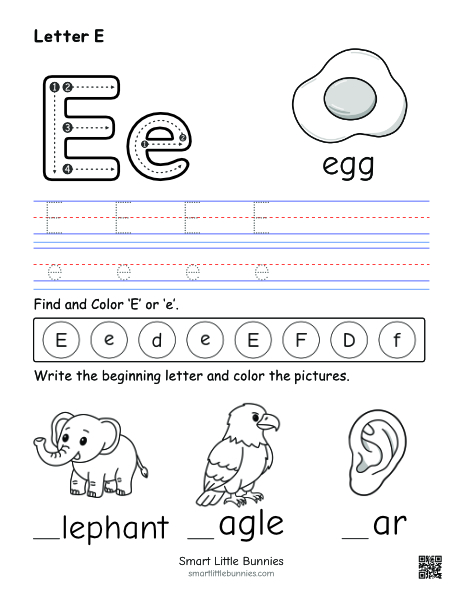
This Letter E tracing worksheet helps kids get comfortable with both uppercase E and lowercase e, while connecting the sound to something simple and familiar: an egg.
Instead of just tracing lines, children see the letter, say the sound, and use their hands which is what actually helps them remember.
What makes this worksheet effective?
Young learners can easily get overwhelmed, so this page keeps things simple:
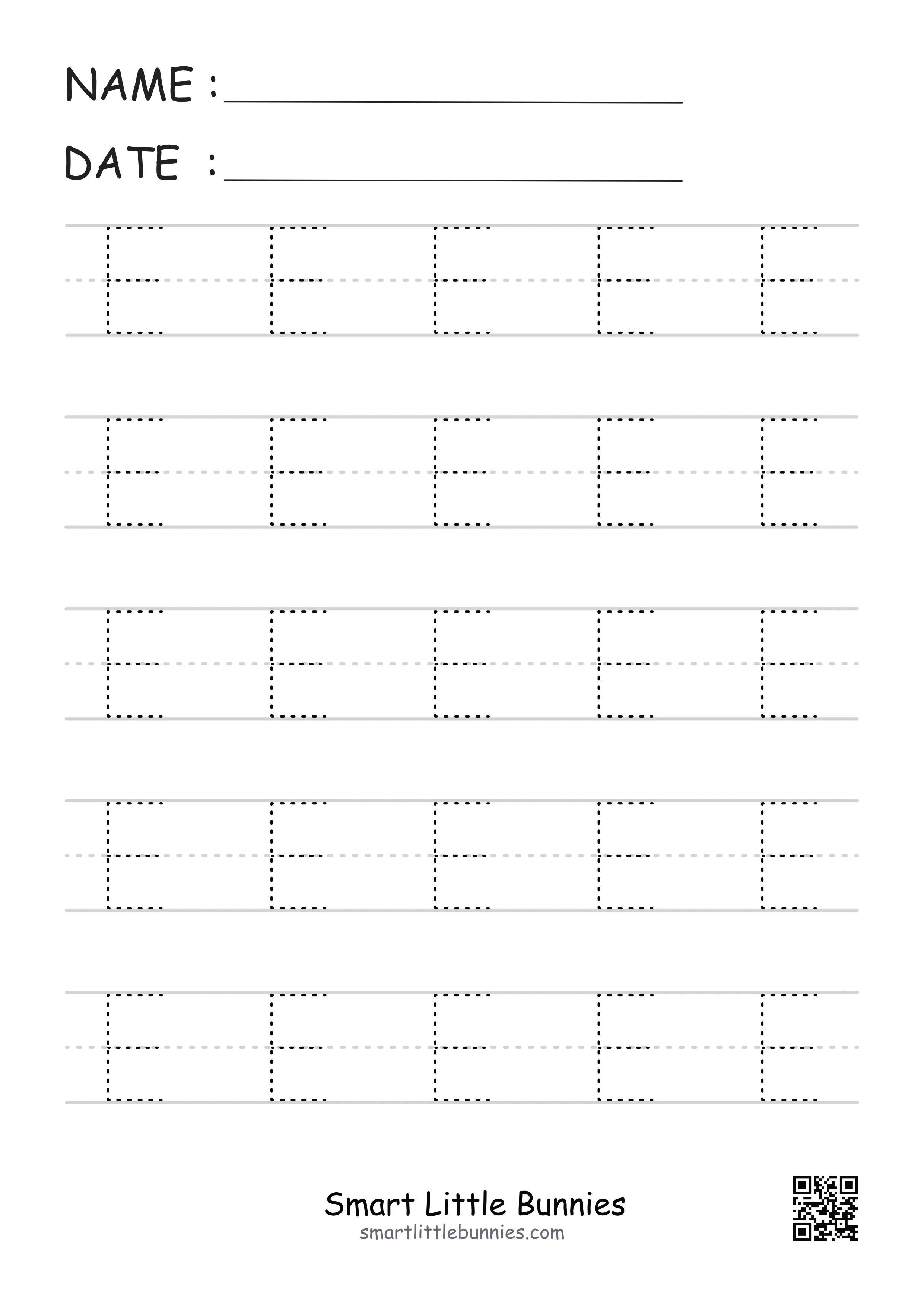
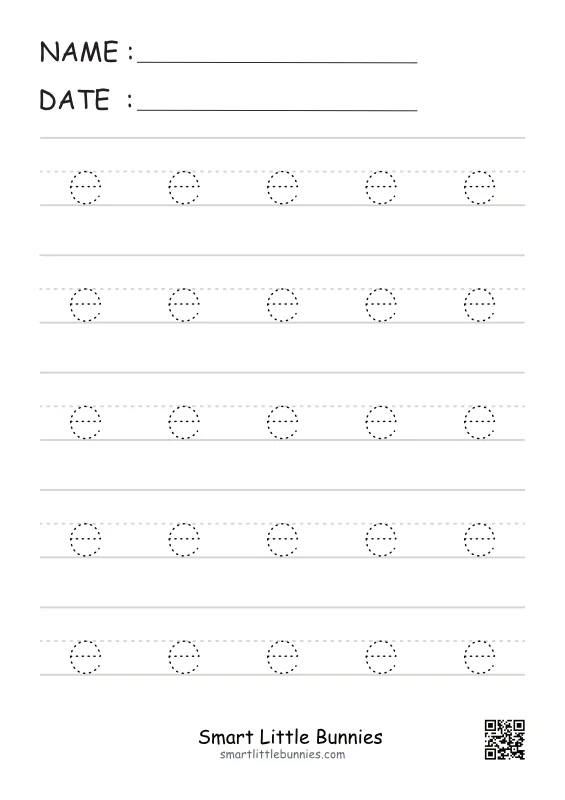
- Big, clear E and e for confident tracing
- A familiar egg image to connect sound and meaning
- Plenty of space so kids don’t feel rushed or crowded
It’s designed for those early moments when children are still figuring out:
“How do I hold a pencil?”
“How do letters actually work?”
A simple way to practice (works every time)
You don’t need a long lesson. Just a few minutes done well is enough.
Try this:
Start by saying the sound together: “e… e… e…” (like in egg)
Then:
- Trace the letter slowly with a finger first
- Move to pencil tracing
- Say “E is for egg” while tracing
- Ask: “Can you think of another E word?”
If they struggle, that’s completely normal. Just keep it light and repeat later.
Why the letter E can be tricky
Unlike some letters, E has multiple sounds (like in egg, eat, and elephant).
This worksheet focuses on the short /e/ sound first, the easiest starting point.
Keeping it simple early helps avoid confusion later.
Skills your child is building (without even noticing)
While it looks like a simple activity, your child is actually developing:
- Early reading readiness
- Hand control for writing
- Ability to connect sounds → letters → words
- Confidence from completing a task independently
These small wins add up quickly.
Continue the Alphabet Journey
Ready for the next step? Keep exploring letters in order:
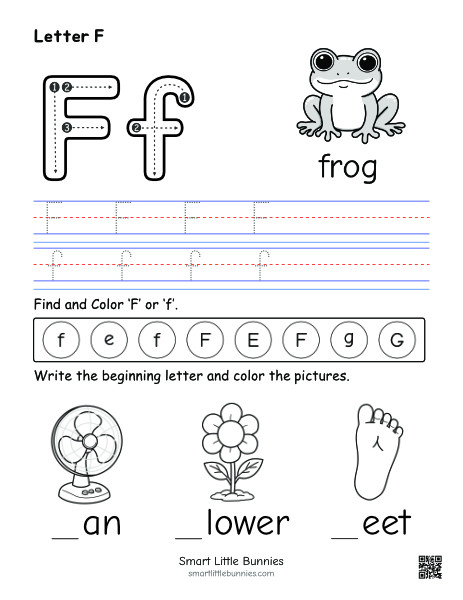
- Letter F Tracing Worksheet - Move forward with a new letter
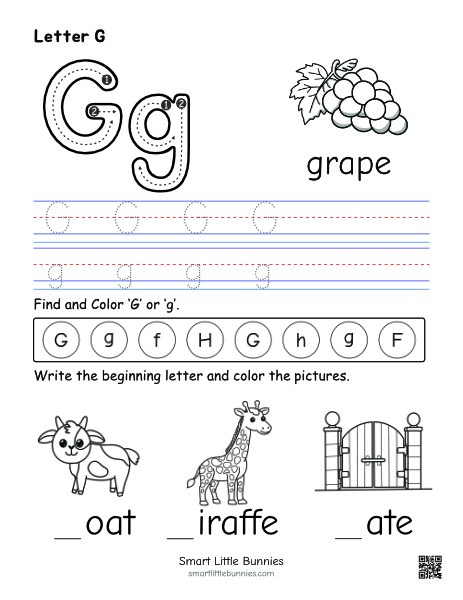
- Letter G Tracing Worksheet - Keep building confidence
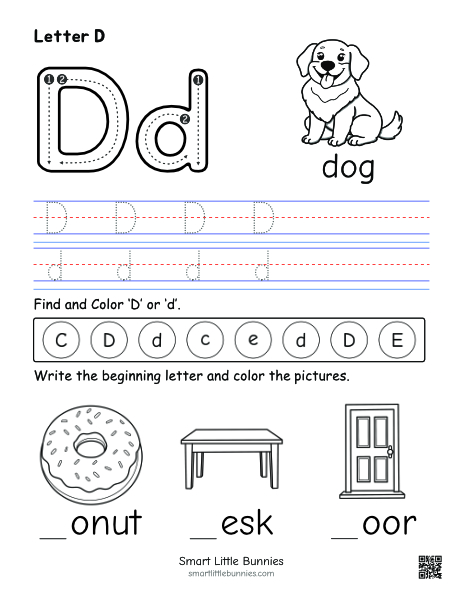
- Letter D Tracing Worksheet - Go back and review
Explore More Alphabet Worksheets
A small tip from experience
Kids don’t need to master a letter in one sitting.
In fact, the best progress usually comes from:
- Short practice
- Repeating over a few days
- Coming back to it later
Even 5 minutes a day is more than enough.
Download the worksheet below and try it together.
Sometimes the simplest activities are the ones that stick the most.